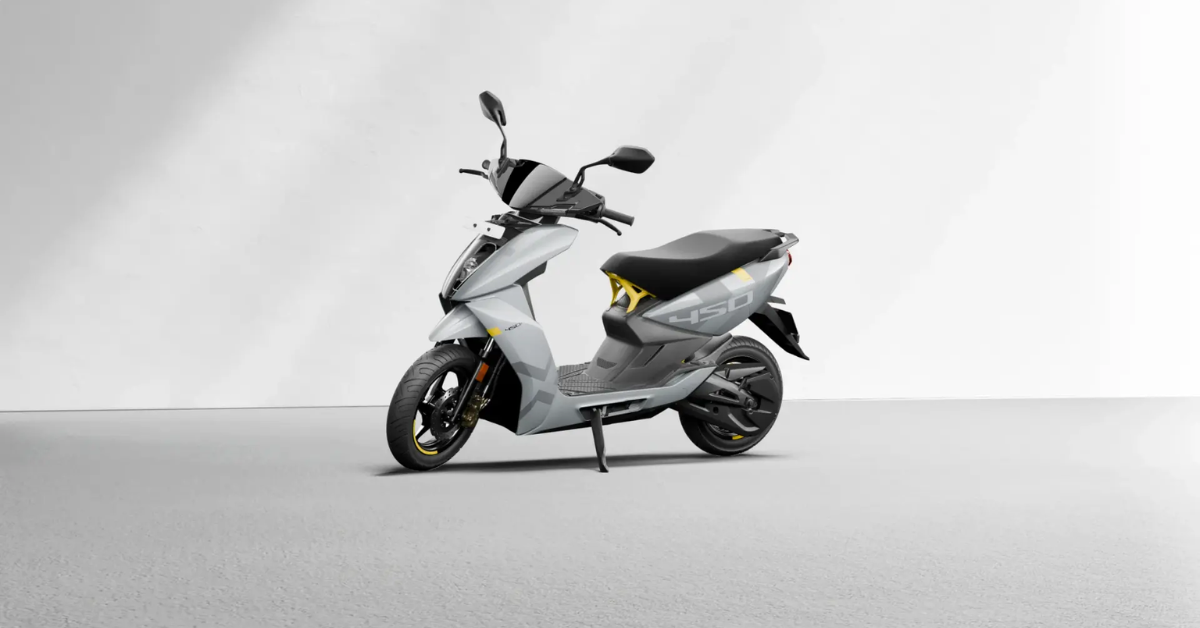
With India’s cities becoming more crowded every year, daily commuting has turned into a time-consuming and expensive affair. Rising fuel prices, traffic congestion, and increasing environmental awareness have encouraged many urban commuters to rethink their choice of transportation. Among the available options, electric scooters have emerged as one of the most practical and economical solutions for everyday city travel.
But are electric scooters really the right choice for regular city commuters? Let’s take a closer look.
Why Electric Scooters Are Gaining Popularity
The Indian electric vehicle (EV) market has witnessed remarkable growth over the past few years. Improved battery technology, longer riding ranges, better charging infrastructure, and government incentives have made electric scooters more accessible than ever before.
For commuters who travel between 15 and 50 kilometres daily, an electric scooter offers a balance of convenience, affordability, and sustainability.
Lower Running Costs
One of the biggest advantages of owning an electric scooter is the significant reduction in running costs.
Charging an electric scooter costs only a fraction of what it takes to fill a petrol tank. Depending on electricity tariffs, a full charge generally costs between ₹20 and ₹40, while offering a range of 80 to 150 km, depending on the model.
For someone commuting daily, this translates into substantial monthly savings compared to a conventional petrol scooter.
Minimal Maintenance
Electric scooters have far fewer moving parts than internal combustion engine (ICE) vehicles.
Since there are no engine oil changes, spark plugs, clutch systems, or exhaust components, maintenance requirements are considerably lower. Regular servicing usually involves tyre inspection, brake checks, suspension maintenance, and software updates.
Lower maintenance means reduced ownership costs over the vehicle’s lifetime.
Perfect for City Traffic
Stop-and-go traffic is where electric scooters truly shine.
Instant torque allows quick acceleration from traffic signals, making city riding smooth and effortless. Most electric scooters are lightweight, easy to manoeuvre through congested roads, and require less physical effort to ride compared to geared motorcycles.
Many premium models also feature riding modes, reverse assist, cruise control, regenerative braking, and smartphone connectivity, making urban commuting even more convenient.
Eco-Friendly Transportation
Air pollution remains a major concern across Indian cities.
Electric scooters produce zero tailpipe emissions, helping reduce local air pollution and noise levels. While electricity generation still contributes to emissions, the overall environmental impact of EVs is generally lower than petrol-powered two-wheelers, especially as India’s renewable energy capacity continues to grow.
Choosing an electric scooter is a practical step towards cleaner urban mobility.
Home Charging Convenience
Unlike petrol vehicles that require frequent visits to fuel stations, most electric scooters can be charged at home overnight.
Owners living in independent houses or apartments with dedicated parking and charging access enjoy unmatched convenience. Waking up to a fully charged scooter every morning eliminates one of the routine hassles of daily commuting.
Government Incentives and Growing Infrastructure
Although EV subsidies have evolved over time, several state governments continue to support electric vehicle adoption through incentives such as road tax exemptions, registration fee waivers, and other policy benefits.
At the same time, public charging infrastructure is expanding steadily across major Indian cities, making long-term EV ownership increasingly practical.
Things Buyers Should Consider
Despite their many advantages, electric scooters may not suit every buyer.
Initial Purchase Price
Many premium electric scooters still cost more than comparable petrol models. While the higher upfront investment is often offset by lower running and maintenance costs, buyers should evaluate their total cost of ownership rather than focusing only on the purchase price.
Charging Access
Home charging remains the most convenient option. Buyers living in apartments without dedicated parking or charging facilities may face practical challenges, although many residential societies are gradually installing EV charging points.
Long-Distance Travel
Most electric scooters are designed primarily for urban commuting.
While several modern models now offer ranges exceeding 150 km, riders who frequently undertake highway journeys or intercity travel may still find petrol scooters more convenient due to faster refuelling.
Battery Life
Modern lithium-ion batteries are engineered to last several years under normal usage. However, battery replacement can be expensive once the warranty period expires. Prospective buyers should pay close attention to battery warranty, service support, and the manufacturer’s after-sales network.
Who Should Buy an Electric Scooter?
An electric scooter makes excellent sense for:
- Office commuters travelling within city limits.
- College students with predictable daily travel.
- Delivery executives covering fixed urban routes.
- Families looking for an economical secondary vehicle.
- Environment-conscious buyers seeking sustainable mobility.
However, riders who regularly travel long distances, live in areas with limited charging access, or frequently ride on highways may still find petrol-powered two-wheelers better suited to their needs.