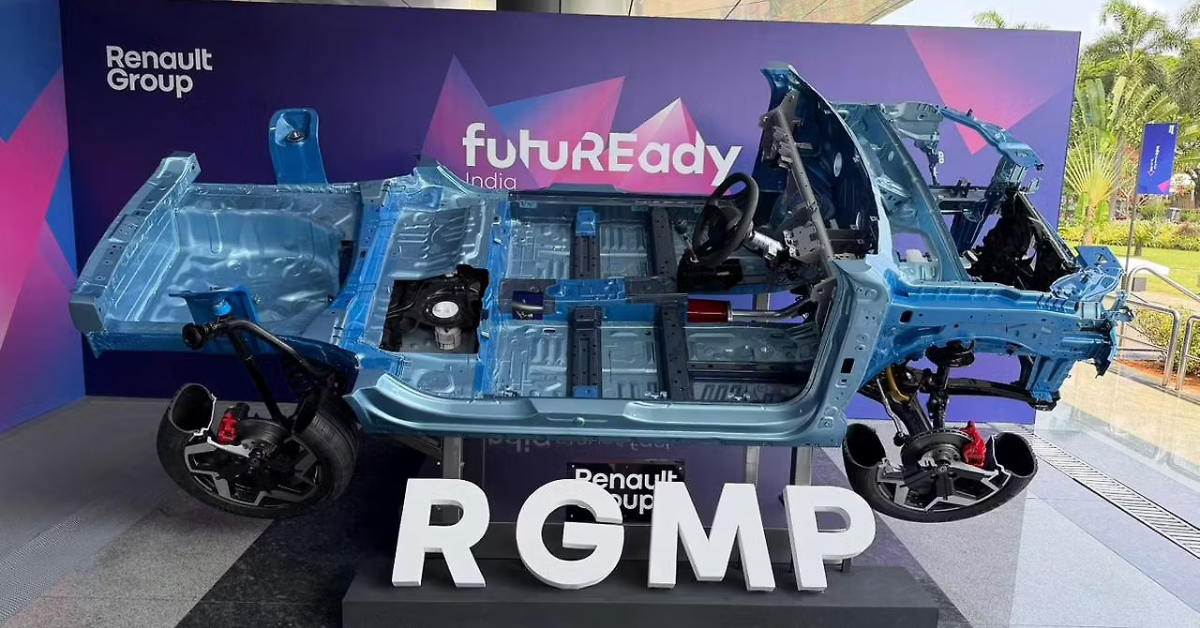
Renault has officially unveiled its highly anticipated RGEP (Renault Group Electric Platform), marking a significant leap forward in the brand’s electrification strategy. Designed to underpin a wide range of future electric vehicles (EVs), the RGEP platform promises improved efficiency, enhanced performance, and greater flexibility across vehicle segments.
Here’s everything you need to know about Renault’s latest innovation and what it means for the future of mobility.
What is the Renault RGEP Platform?
The RGEP platform is Renault’s next-generation dedicated electric architecture, engineered to support multiple vehicle types—from compact city cars to larger SUVs. Unlike modified internal combustion engine (ICE) platforms, RGEP is purpose-built for EVs, allowing for better battery integration, optimized weight distribution, and increased cabin space.
This new platform will play a crucial role in Renault’s long-term goal of transitioning to a fully electric lineup in key markets.
Key Features of the RGEP Platform
1. Advanced Battery Integration
The RGEP platform is designed to house ultra-thin battery packs, improving energy density while lowering the vehicle’s center of gravity. This results in better handling, increased range, and improved safety.
2. Flexible Architecture
One of RGEP’s standout features is its modular design. Renault can easily adjust wheelbase, track width, and battery capacity, allowing the platform to support multiple vehicle categories without extensive redesign.
3. Enhanced Driving Range
Renault claims that vehicles built on the RGEP platform will deliver significantly higher driving ranges compared to current models, thanks to improved aerodynamics and energy efficiency.
4. Faster Charging Capabilities
The platform supports next-generation fast-charging technology, reducing charging times and making EV ownership more convenient for everyday users.
5. Software-Defined Vehicle Integration
RGEP is built with a strong focus on software, enabling over-the-air (OTA) updates, advanced driver assistance systems (ADAS), and connected car features.
Performance and Efficiency Improvements
The RGEP platform is engineered to deliver not just efficiency, but also performance. With optimized electric motor placement and reduced overall weight, vehicles based on RGEP are expected to offer:
- Quicker acceleration
- Smoother power delivery
- Improved energy consumption
This aligns with Renault’s strategy to make EVs more engaging and accessible to a wider audience.
Sustainability at the Core
Renault has emphasized sustainability in the development of RGEP. The platform incorporates:
- Recyclable materials
- Reduced carbon footprint during manufacturing
- Improved battery lifecycle management
These efforts are part of Renault’s broader commitment to achieving carbon neutrality in the coming decades.
Future Models Based on RGEP
Renault plans to introduce several new electric models based on the RGEP platform starting in the coming years. Industry analysts expect the platform to underpin:
- Next-generation compact EVs
- Electric crossovers and SUVs
- Potential performance-oriented electric models
This scalability ensures that RGEP will remain relevant as market demands evolve.
Competitive Edge in the EV Market
With the RGEP platform, Renault is positioning itself to compete more aggressively against global EV leaders. The platform’s combination of flexibility, efficiency, and advanced technology gives Renault a strong foundation to expand its electric portfolio.
As competition intensifies in the EV space, innovations like RGEP will be critical in determining which automakers lead the transition to sustainable mobility.