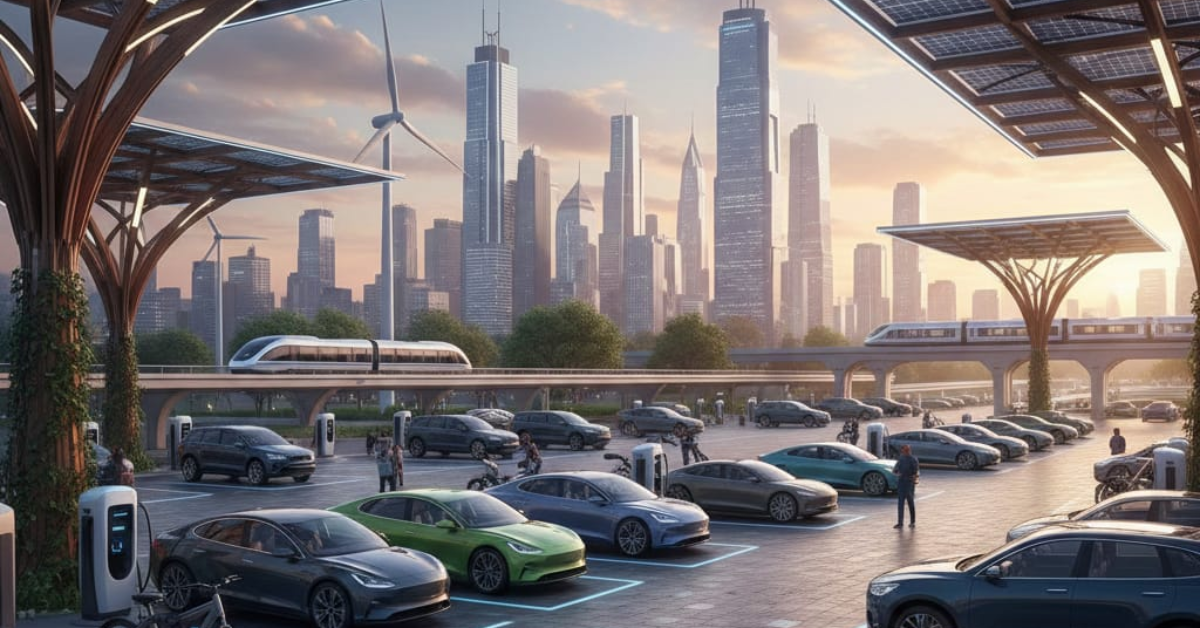
Electric vehicles (EVs) are transforming the automotive world with lower running costs, fewer moving parts, and zero tailpipe emissions. But while EVs require less maintenance than traditional internal combustion engine (ICE) cars, they’re not maintenance-free.
Here’s a comprehensive guide to EV maintenance tips every owner should know.
1. Take Care of the Battery – Your EV’s Heart
The battery pack is the most expensive and important component in an EV. Proper care can significantly extend its lifespan.
Best Practices:
- Avoid frequent fast charging unless necessary.
- Keep battery level between 20% and 80% for daily use.
- Avoid regularly draining to 0%.
- Park in shaded or covered areas to prevent overheating.
- Follow manufacturer-recommended software updates.
Most modern EV batteries are designed to last 8–15 years, and manufacturers typically offer long battery warranties.
2. Monitor Tire Health Regularly
EVs are generally heavier than gasoline cars due to their battery packs, which can lead to faster tire wear.
Maintenance Tips:
- Check tire pressure monthly.
- Rotate tires every 8,000–10,000 km (or as recommended).
- Use EV-specific low rolling resistance tires.
- Inspect tread wear frequently.
Proper tire care improves efficiency, range, and safety.
3. Maintain the Braking System
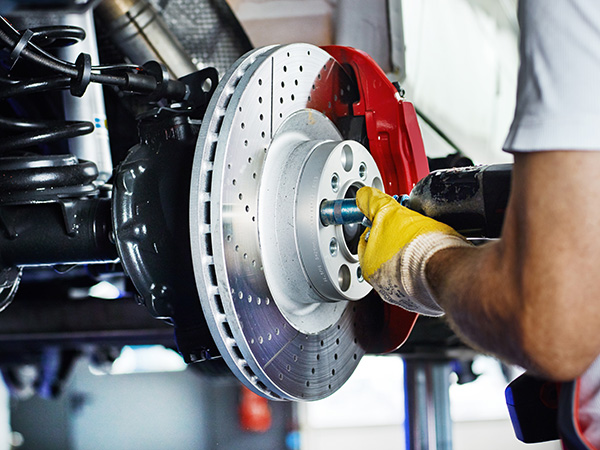
Thanks to regenerative braking, EV brake pads typically last longer than those in ICE vehicles. However, they still require periodic inspection.
What to Do:
- Inspect brake pads annually.
- Keep brake components clean to avoid corrosion.
- Test braking responsiveness regularly.
Because EVs rely heavily on regenerative braking, traditional brake components may corrode if not used frequently.
4. Check the Cooling System
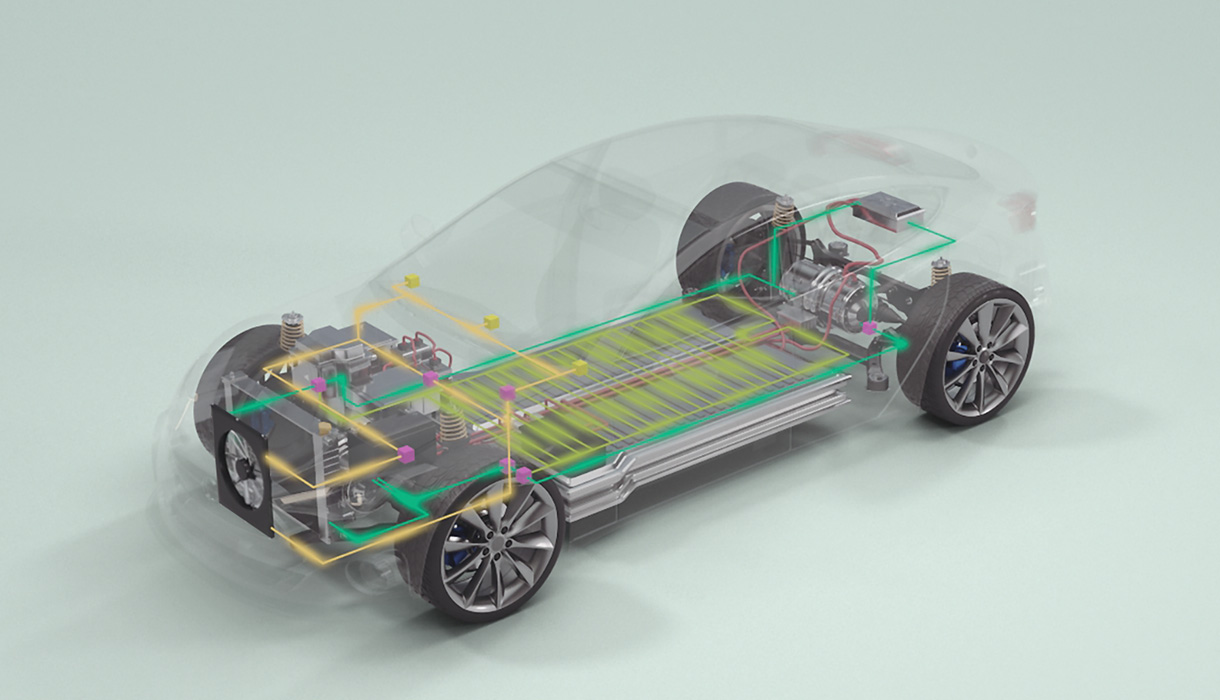
EVs use cooling systems to regulate battery temperature and power electronics.
Key Tips:
- Inspect coolant levels as per service schedule.
- Replace coolant at manufacturer-recommended intervals.
- Watch for warning lights related to overheating.
Proper thermal management helps maintain battery efficiency and longevity.
5. Inspect Charging Equipment

Your charging cable and home charging unit also need occasional checks.
Safety Checklist:
- Inspect cables for cracks or wear.
- Keep connectors clean and dry.
- Ensure wallbox software is updated.
- Avoid using damaged public charging connectors.
Safe charging prevents electrical issues and protects your vehicle.
6. Keep Software Updated
Unlike traditional vehicles, EVs rely heavily on software to manage battery performance, range estimation, and safety systems.
Why It Matters:
- Improves energy efficiency.
- Fixes bugs.
- Enhances performance and range.
- Adds new features (in some models).
Always install manufacturer-recommended updates, especially over-the-air (OTA) upgrades.
7. Don’t Ignore Basic Maintenance
Even though EVs don’t require oil changes, they still need routine inspections:
- Cabin air filter replacement
- Windshield washer fluid refill
- Suspension checks
- Alignment inspection
- Wiper blade replacement
EV vs. ICE Maintenance: The Big Difference
EVs have:
- No engine oil
- No spark plugs
- No exhaust system
- No transmission fluid (in most cases)
This results in fewer service visits and lower maintenance costs over time.