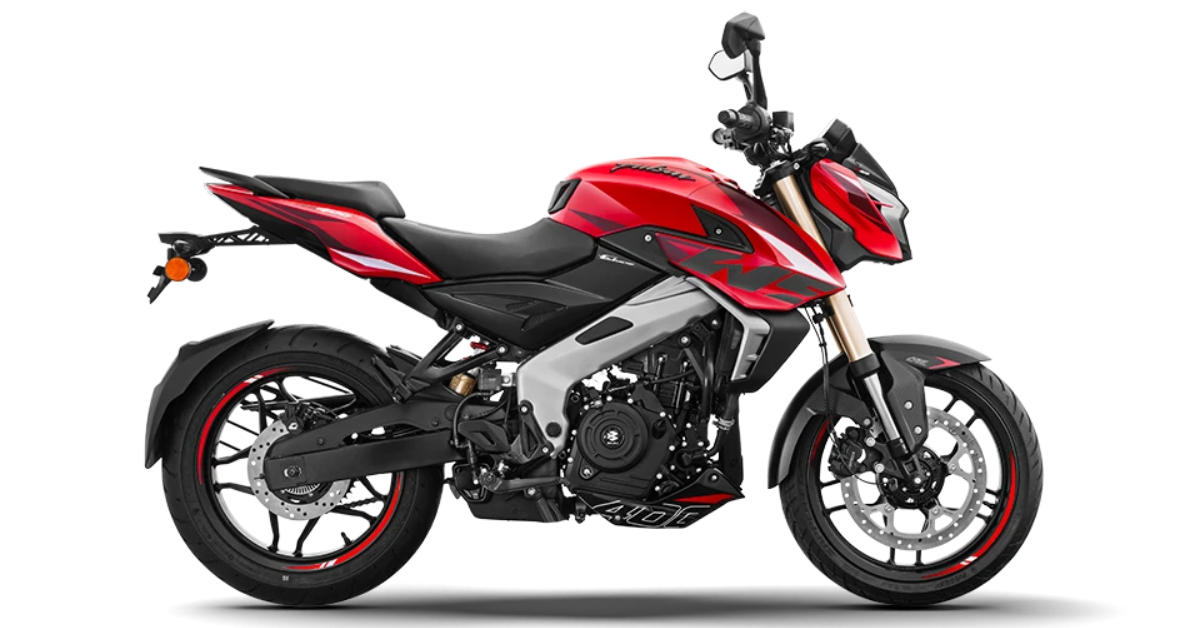
Indian two- and three-wheeler giant Bajaj Auto Ltd. delivered another strong monthly performance in February 2026, reporting a significant year-on-year increase in total sales volumes as demand continued to gain traction across both domestic and international markets.
Strong Volume Growth Across Segments
According to company and industry filings, Bajaj Auto’s total sales for February 2026 reached 448,259 units, representing a 27 % year-on-year increase compared with the 352,071 vehicles sold in February 2025. This performance builds on the momentum the Pune-based manufacturer carried from January, when it posted a roughly 25 % rise in sales.
The growth came from across Bajaj’s core businesses:
- Two-wheelers – Riding demand for commuter and mid-segment motorcycles and scooters, both domestic and export markets contributed to higher dispatches.
- Three-wheelers – Continued strength in export markets supported overall volume totals, adding to the month’s gains.
Industry commentators broadly attribute the uptick to improving consumer confidence, seasonal buying trends, and a sustained recovery in international markets.
Domestic vs. Export Dynamics
While Bajaj Auto has historically derived a large portion of its volumes from exports — particularly for its three-wheeler businesses — February’s performance showed balanced demand across geographies. Both domestic and global dispatches expanded year-on-year, reflecting healthy retailer stocking and dealer fulfilment.
Bajaj’s international strategy continues to emphasize market penetration in Africa, Latin America, and Southeast Asia, where demand for rugged, fuel-efficient motorcycles and commercial vehicles remains strong.
Wider Industry Context
Bajaj’s performance in February aligns with broader sales trends across India’s automotive sector. OEMs spanning two-wheelers, passenger vehicles, and commercial vehicles largely posted year-on-year gains, supported by a reduction in the Goods and Services Tax (GST) on vehicles, improved financing availability, and stable retail sentiment.
For instance, peers such as TVS Motor Company reported a 31 % rise in February volumes, including strong export and EV segments, while passenger vehicle makers like Tata Motors and Maruti Suzuki also posted double-digit growth.
Looking Ahead
Analysts note that while raw sales figures remain an important barometer of industrial health, OEMs across segments are navigating supply-chain challenges, evolving regulatory environments (especially for EVs), and macroeconomic headwinds. Bajaj Auto’s ability to sustain growth through product diversification — including its expanding electric two-wheeler offerings such as the Chetak range — will be critical in the coming quarters.
Overall, February 2026 reaffirms Bajaj Auto’s position as one of India’s most resilient mobility players, with strong operational execution and strategic focus helping it capitalize on demand recovery both at home and abroad.