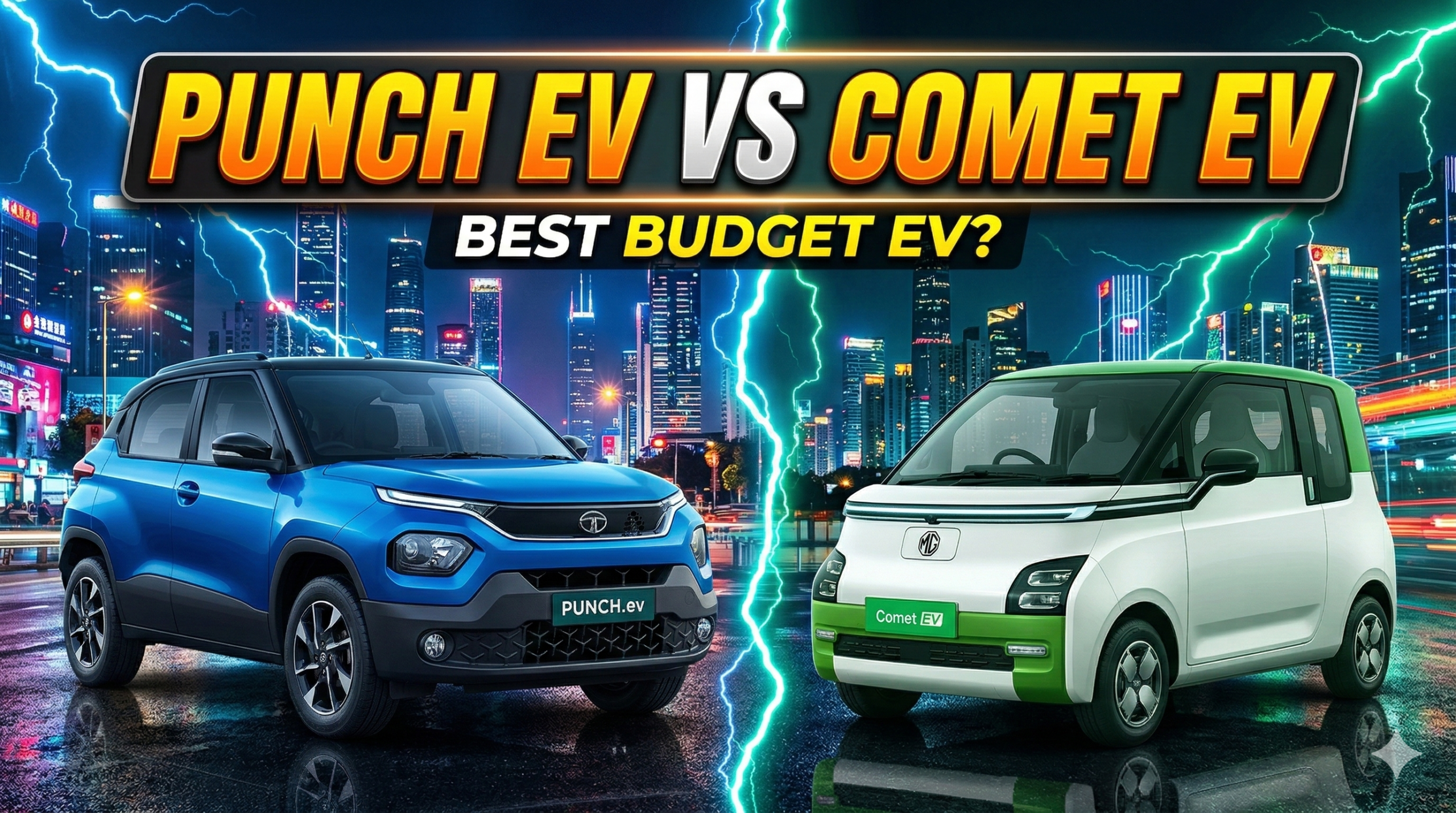
India’s affordable EV market is expanding quickly, and two models attracting significant attention are the Tata Punch EV Facelift and the MG Comet EV.
While both are designed for urban mobility and lower running costs, they cater to different types of buyers. The Punch EV is a micro-SUV with longer range and more features, whereas the Comet EV focuses on ultra-compact city driving and affordability.
Below is a comprehensive comparison covering design, features, performance, and pricing.
Design and Positioning
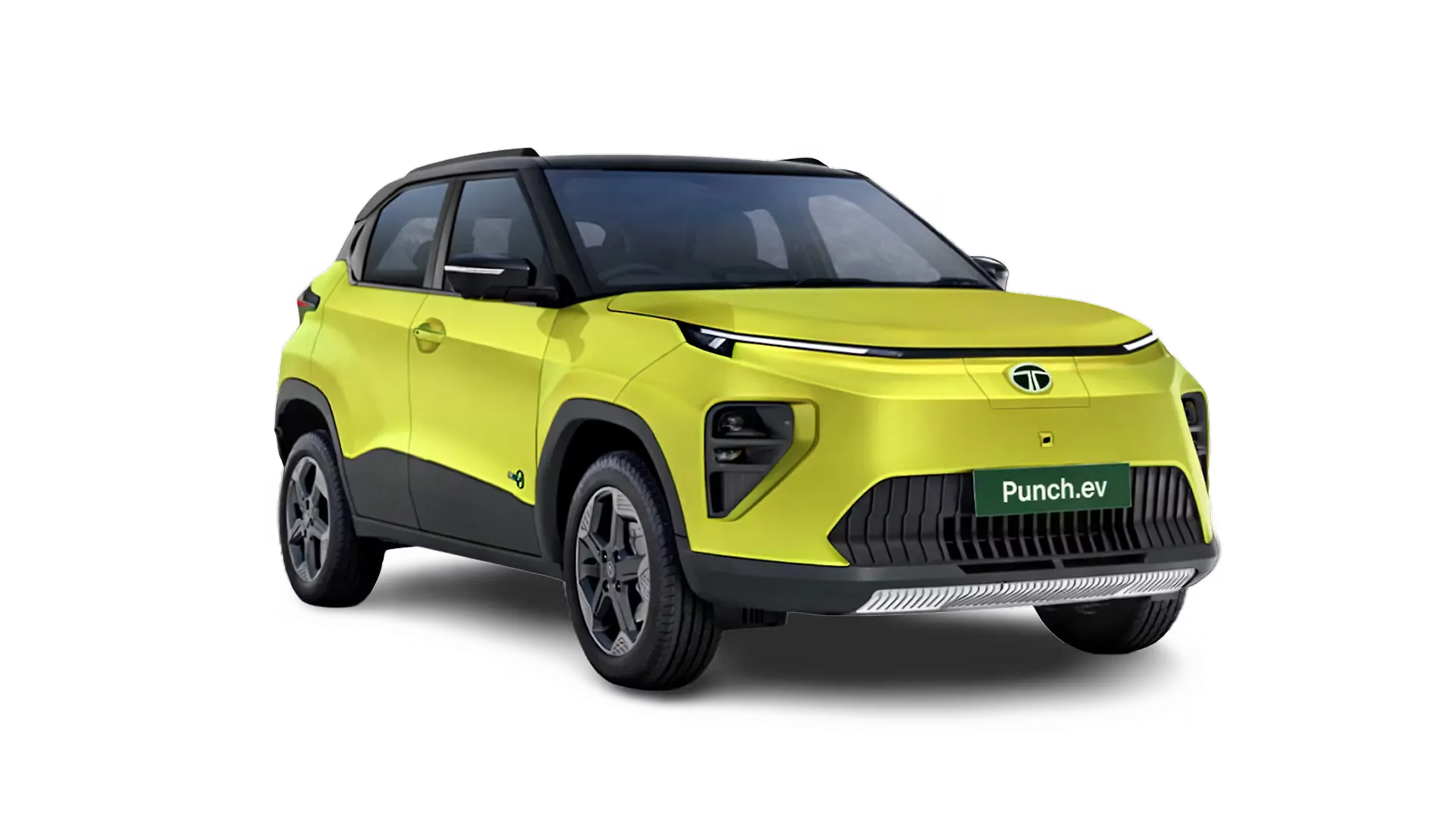
The Tata Punch EV facelift retains its rugged micro-SUV styling with updated LED DRLs, refreshed bumpers and new alloy wheels. Its SUV-like stance, body cladding and higher ground clearance make it look more substantial than most entry-level EVs.
With a larger footprint and practical five-seat layout, the Punch EV is designed to serve as a primary family EV capable of handling both city traffic and occasional highway drives.
The MG Comet EV takes a completely different approach. It is an ultra-compact two-door electric hatchback built primarily for congested urban environments.
Its boxy design, extremely short length, and small turning radius make it one of the easiest cars to maneuver and park in dense city traffic.
Key difference:
- Punch EV → Practical micro-SUV
- Comet EV → Ultra-compact urban EV
Performance, Battery and Range
The biggest difference between these two EVs lies in battery capacity and driving range.
The Punch EV offers two battery options (25 kWh and 35 kWh) with power outputs up to around 120 hp and 190 Nm of torque. It can deliver a claimed range of up to 421 km, making it suitable for longer commutes and highway runs.
The MG Comet EV is powered by a 17.3 kWh battery producing around 42 PS and 110 Nm, with an ARAI-certified range of 230 km.
Another advantage for the Punch EV is DC fast-charging support, allowing 10–80% charging in around 30 minutes. The Comet EV relies only on AC charging.
Features and Technology
The Punch EV facelift offers a significantly more feature-packed cabin including:
- 10.25-inch touchscreen infotainment system
- 10.25-inch digital instrument cluster
- Wireless Android Auto and Apple CarPlay
- Ventilated front seats
- Electric sunroof
- 360-degree camera and six airbags
These features place it closer to premium compact SUVs rather than basic entry-level EVs.
The Comet EV also offers a modern tech experience with:
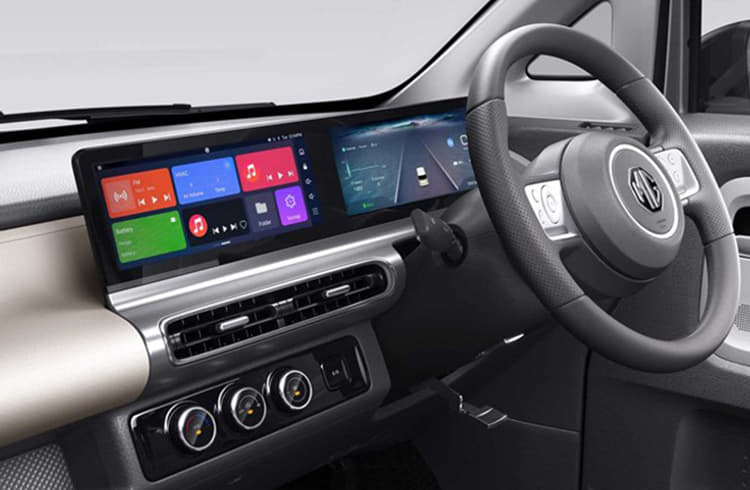
- Dual 10.25-inch screens
- Connected car technology
- Wireless smartphone connectivity
- Voice commands
However, it misses some comfort features such as ventilated seats, sunroof, and advanced safety equipment available in the Punch EV.
Price Comparison
Pricing is one area where the Comet EV holds an advantage.
The Punch EV starts at around ₹9.99 lakh (ex-showroom) depending on the variant.
The MG Comet EV starts at roughly ₹7.5–₹8 lakh, making it one of the most affordable electric cars in India.
This price difference reflects their positioning—one as a full-featured micro-SUV and the other as a compact urban EV.
Tata Punch EV Facelift vs MG Comet EV
| Specification | Tata Punch EV Facelift | MG Comet EV |
|---|---|---|
| Vehicle Type | Micro-SUV EV | Ultra-compact city EV |
| Battery Pack | 25 kWh / 35 kWh | 17.3 kWh |
| Power Output | Up to ~120 hp | ~42 PS |
| Torque | Up to 190 Nm | 110 Nm |
| Claimed Range | Up to 421 km | 230 km |
| Charging | AC + DC fast charging | AC charging only |
| 10–80% Fast Charge | ~30 minutes | Not supported |
| Seating Capacity | 5 | 4 |
| Key Features | Sunroof, ventilated seats, 360° camera | Dual screens, connected tech |
| Starting Price | ~₹9.99 lakh | ~₹7.5 lakh |